





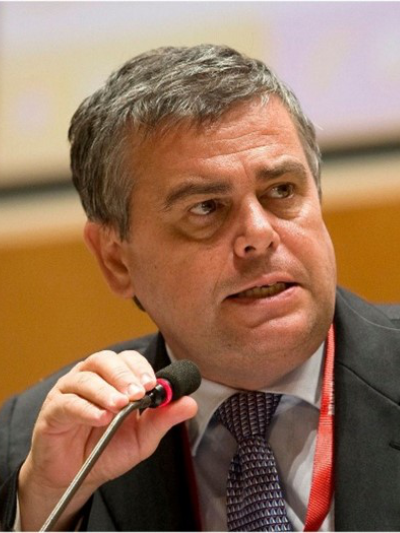
Plenary Speaker: Prof. Gabriele Centi
Biography
Gabriele Centi is a Full Professor of Industrial Chemistry at the University of Messina, Italy, and President of the European Research Institute of Catalysis (ERIC). He was the coordinator of the EU Network of Excellence IDECAT and is the past President of IACS (International Association of Catalysis Societies). Previously, he served as the President of EFCATS (European Federation of Catalysis Societies). He has served as the coordinator or PI in over 30 EU projects. He recently initiated and coordinated an ERC Synergy project SCOPE on plasma catalysis. The research interests encompass the fields of applied heterogeneous catalysis, sustainable energy and chemical processes, with recent focus on the development of catalytic technologies for solar fuels, carbon circularity, and the electrification of chemical production. He has received numerous awards, the last being the EFCATS & APCATS Award M. Che in 2025. He chaired several international conferences, the last being the International Conference on Environmental Catalysis (2025). He is the author of over 650 scientific publications and 18 books and is editor of the Journal of Energy Chemistry.
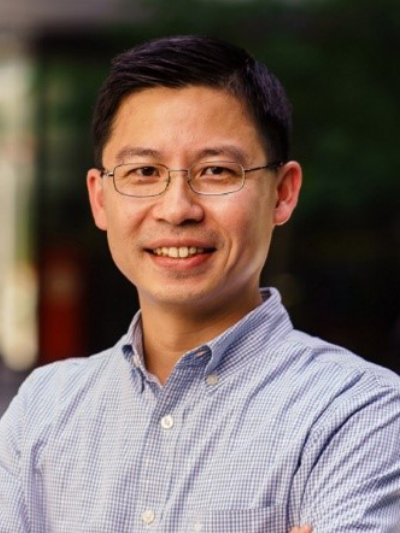
Plenary Speaker: Prof. Boon Siang Yeo
Biography
Prof. Boon Siang Yeo studied chemistry at the National University of Singapore (NUS), where he received his B.Sc. (1st class Honors) and M.Sc. degrees. He obtained his Ph.D. in chemistry from the ETH Zurich in 2009, and then did his postdoctoral research at the Lawrence Berkeley National Laboratory. Boon Siang joined the Department of Chemistry, NUS in 2012. His research interests lies in developing electrocatalysts and processes for converting carbon dioxide (CO2) into valuable multi-carbon chemicals and fuels like ethanol, propanol and long-chain hydrocarbons. The ultimate goal of his group’s work is to create commercially viable, environmentally friendly methods for carbon recycling and the production of industrial feedstocks and fuels, helping to build a sustainable energy economy. Boon Siang is a recipient of the Dean’s Chair (2021-2024) and multiple teaching excellence awards (2014, 2015, 2016, 2020) in the NUS. He currently serving as the Deputy Head of the Department, in charge of education.

Plenary Speaker: Prof Frank Marken
Biography
Frank obtained a Dr. rer. nat. degree at RWTH Aachen (Germany) and was Feodor-Lynen Fellow at La Trobe University, Melbourne (Australia). He worked as Stipendiary Lecturer and Royal Society University Research Fellow at Oxford and at Loughborough University (UK). In 2004 he moved to the University of Bath. In 2011 he was promoted to a personal chair in physical chemistry. Research is linked to the Institute of Sustainability (IoS) and the Water Innovation Research Centre (WIRC) at Bath and focused on pure and materials electrochemistry, electroorganic/electrocatalytic processes, and energy storage.
Professor of Electrochemistry, Department of Chemistry, University of Bath, Bath BA2 7AY, UK
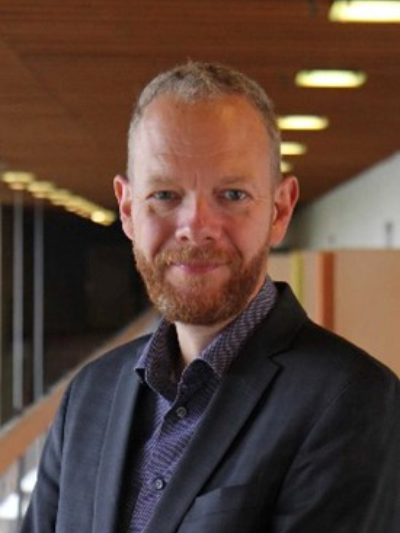
Keynote Speaker: Prof. Jan Rossmeisl
Biography
Jan Rossmeisl is a professor in Chemistry at the University of Copenhagen. Since 2020 he is head of the Danish National Research Foundation, Center of Excellence, Center for High Entropy Alloy Catalysis, and in 2024 he received an ERC synergy grant together with three others. Jan is co-author on more than 250 papers and listed on the Clarivate highly cited researchers list. He is also a Fellow of the Royal Society of Chemistry.
His research focuses on how theory and simulations can provide real and valuable insight into electrocatalytic reactions. He was the first to introduce quantum mechanical simulations into electrocatalysis. He co-developed the computational hydrogen electrode in 2003, a method that includes the potential by referring protons and electrons to hydrogen molecules. His contributions extend to studying vital electrocatalytic systems, including the oxygen evolution reaction that is crucial for water electrolysis and oxygen reduction. His early papers on oxygen catalysis and the universal picture of the reactions have set the benchmark for researchers in the field. In 2020 Jan and co-workers won a Danish National Research Foundation, Center of Excellence, Center for High Entropy Alloy Catalysis based on the idea of utilizing high entropy alloys as catalysts. High Entropy Alloys represent a paradigm shift in catalysis, yielding not only intriguing catalyst materials but also profound insights into catalysis.
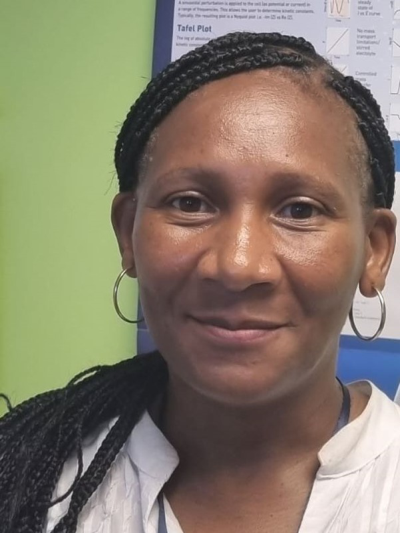
Keynote Speaker: Prof. Lindiwe Khotseng
Biography
Professor Lindiwe Khotseng is a C2-rated Full Professor of Chemistry at the University of the Western Cape (UWC), South Africa, and an internationally recognised expert in electrochemistry, electrocatalysis, and sustainable energy materials. She holds a PhD from Stellenbosch University and has over two decades of experience spanning fundamental electrochemical science and applied energy technologies.
Her research focuses on nanomaterials for fuel cells, energy storage systems, and the catalytic conversion of biomass and waste into clean energy carriers. A defining aspect of her work is the development of green, low-cost, and biomass-derived electrocatalysts and support materials for fuel cells, batteries, and biofuels, contributing directly to circular economy and decarbonisation strategies.
Professor Khotseng has published more than 100 peer-reviewed journal articles, book chapters, and edited volumes, with an h-index of 27 and over 2 000 citations. She has led and co-led major national and international research programmes funded by the NRF, BRICS, Eskom, and industry partners, and has established strong collaborations across Africa, Europe, Asia, and the United States.
A committed academic leader, she has supervised numerous Honours, MSc, PhD, and postdoctoral researchers, and is a passionate mentor and advocate for women and emerging scientists in STEM. Professor Khotseng is a frequent keynote and invited speaker at international conferences and actively contributes to the global electrochemistry community through editorial, reviewing, and scientific leadership roles.

Keynote Speaker: Prof. Minghui Yang
Biography
Minghui Yang (Fellow of the Royal Society of Chemistry, FRSC) is a Professor at Dalian University of Technology (DUT). He received his B.A. and M.Chem. from the University of Liverpool and his Ph.D. in Materials Chemistry from the University of Edinburgh (2010) under Professor J. Paul Attfield (FRS). He then conducted postdoctoral research at Cornell University with Professor Francis J. DiSalvo (NAS member) on catalytic materials for fuel cells. His honours include the National Science Fund for Distinguished Young Scholars (2025), the National Overseas High-Level Talents Award (2013), and the Chinese Academy of Sciences (CAS) Young Distinguished Scientist Award (2014), among others. He has authored over 300 publications in scientific journals including Nature Materials, Nature Chemistry, Nature Communications, Science Advances, Angewandte Chemie, Journal of the American Chemical Society, and Advanced Materials, and holds more than 50 Chinese patents and one PCT patent. As Group Leader of the Solid State Functional Materials Lab at DUT, his research centres on solid-state materials for catalysis and sensing. He is a Topical Editor for Electrocatalysis and an Academic Editor for The Innovation.

Keynote Speaker: Prof. Peter Grütter
Biography
Peter Grütter is the James McGill Professor of Physics at McGill University in Montréal and Scientific Director and founder of the McGill Nanotools Microfabrication facility. He won the 2025 CAP Brockhouse medal, is a Fellow of the Royal Society of Canada and of the American Physical Society. Grutter received his PhD in Physics from the University of Basel in 1989 and joined McGill University in 1994 after stays at IBM Research in California and Switzerland. His group works on developing scanning probe microscopy-based tools and methods and applying them to problems in nanoscience and technology. He investigates 2D systems (organic and inorganic), quantum dots, dopant atoms positioned with atomic precision and electrocatalysis on an atomic scale to determine their structure-function relation with a focus on the fundamental role of defects. The aim is to understand the potential of these materials for information processing and data storage. His research interests also include nanoscale aspects of energy storage and generation, where his group is developing time resolved capabilities to understand light-matter interaction and the roles of atomic scale defects. Research project descriptions and thesis of his group can be found at www.physics.mcgill.ca/~peter.
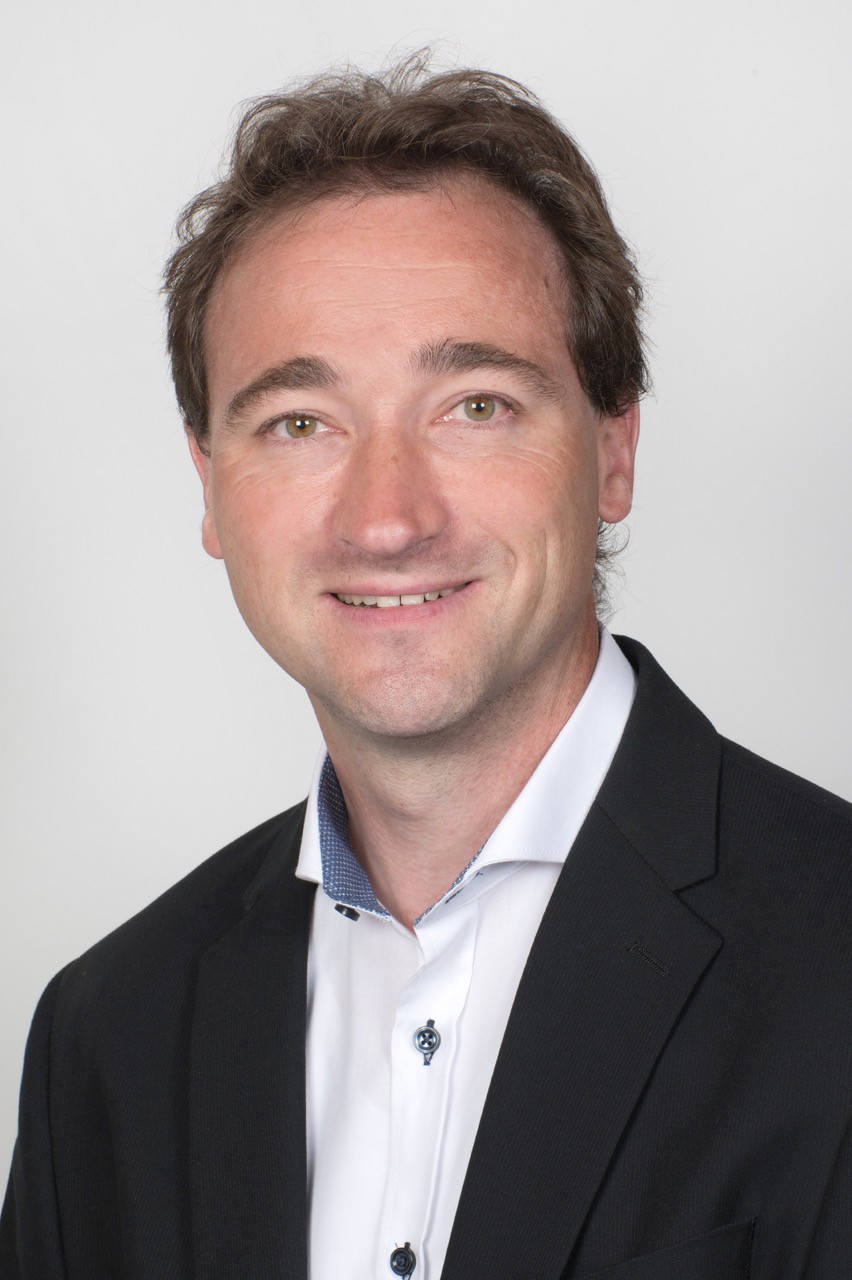
Keynote Speaker: Prof. Timo Jacob
Biography
Timo Jacob studied physics at the University of Kassel (GER), where he received his diploma degree in 1999 as well as his Ph.D. in theoretical physics in 2002. Afterwards, he spent two years as postdoctoral researcher at the California Institute of Technology (USA), followed by four years as group leader at the Fritz-Haber-Institute in Berlin (GER). In 2008 he obtained his habilitation and venia legendi in theoretical physics from the Free University Berlin (GER). In 2007 he moved to Ulm University (GER), heading an independent research group on theoretical electrochemistry. Since 2011 he is full professor for physical chemistry and director of the Institute of Electrochemistry at Ulm University. Further, he is director at the Helmholtz Institute Ulm (HIU) for Electrochemical Energy Storage. His research focuses on fundamental electrochemistry where by combining advanced in-situ and operando techniques with multi-scale modelling he aims at resolving the structure of and processes at electrochemical interfaces.
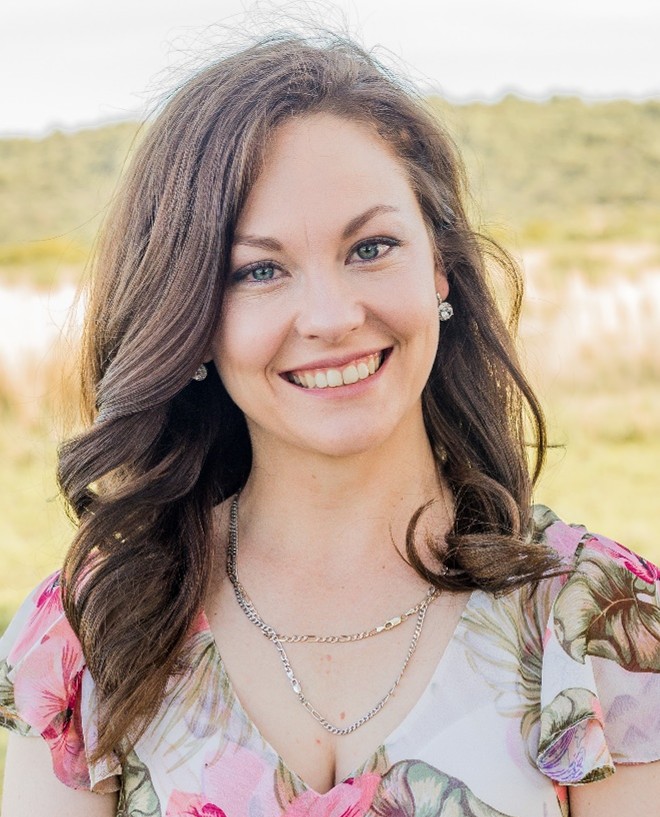
Keynote Speaker: Dr Anzel Falch
Biography
Dr Anzel Falch is a Senior Lecturer in Physical Chemistry at the University of the Witwatersrand (Wits University), South Africa, where she leads the Falch Electrocatalysis Research Group.
Her research focuses on the development and application of electrocatalytic materials for energy conversion and chemical production, with particular emphasis on water electrolysis and the development of electrocatalysts for the hydrogen evolution and oxygen evolution reactions. Her research encompasses alkaline water electrolysis , with a focus on catalyst composition, structure, electrode architecture, and electrochemical performance.
Dr Falch's research also extends to the electrochemical upcycling of waste plastics, investigating electrochemical approaches for the conversion of plastic waste into value-added chemical products alongside hydrogen production. Her research is supported by international collaborations, including with Prof. Jan Weigand at TU Dresden, Germany, on water electrolysis, and Prof. Vasilica Badets at the University of Strasbourg, France, on water electrolysis and the electrochemical upcycling of plastics. She is a member of the South African Chemical Institute (SACI) and is actively involved in the South African chemistry community.
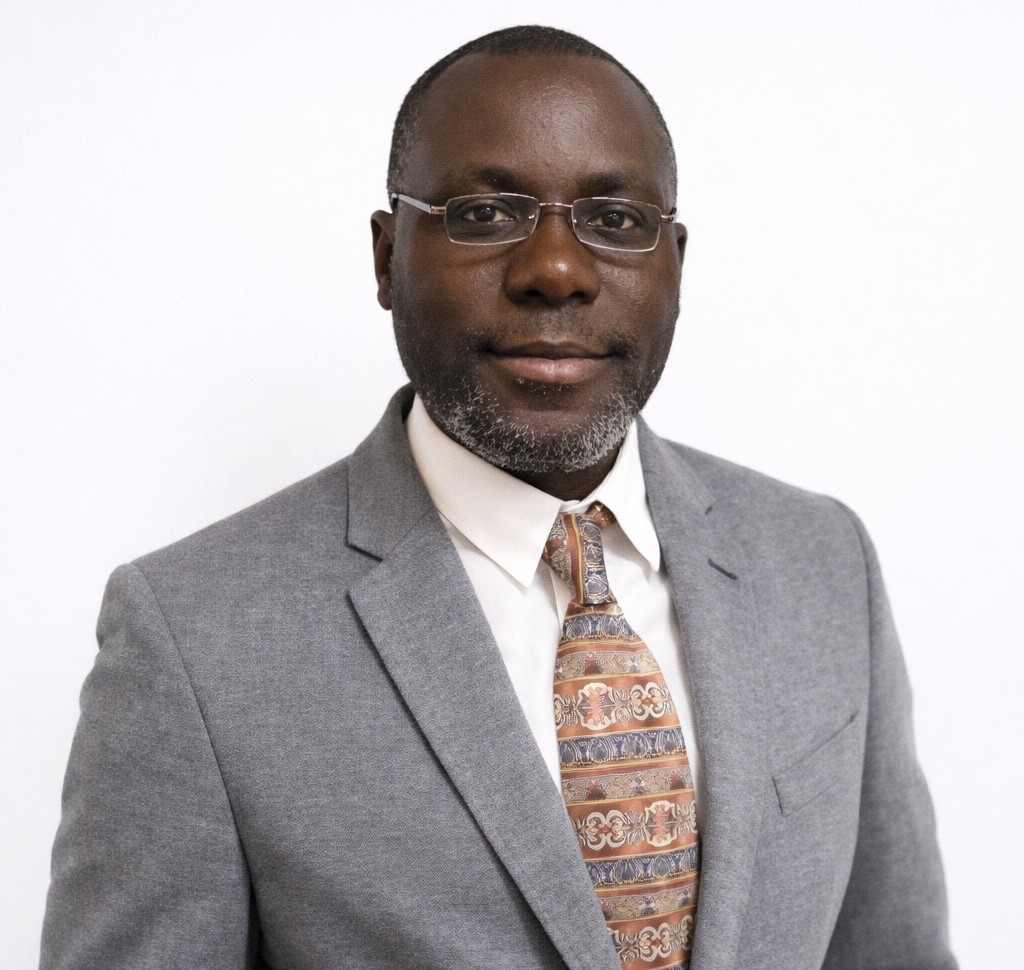
Keynote Speaker: Prof Omotayo Arotiba
Biography
Omotayo Arotiba is a full Professor at the Department of Chemical Sciences (since 2016) and the Director of the Centre for Nanomaterials Science Research at the University of Johannesburg (UJ). Prof Arotiba leads the Electrochemistry Research Group at UJ. His research focus includes the development of electrochemical, photoelectrocatalytic and sono-electrochemical systems for water treatment; photoelectrocatalysis for green energy (hydrogen generation); electrochemical sensors & biosensors for environmental, food and biomedical application; and materials (e.g. semiconductors, dendrimers) electrochemistry. He is the current Chair of the Electrochemistry Division of the South African Chemical Institute. He is a member and the South Africa Regional Representative of the International Society of Electrochemistry, a Fellow of the Chemical Society of Nigeria, a Fellow of the Nigeria Academy of Science and a Fellow of the Royal Society of Chemistry (UK).
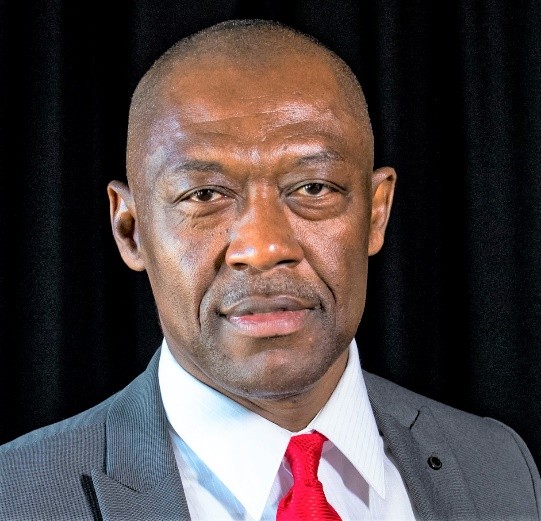
Keynote Speaker: Prof Kenneth Ikechukwu Ozoemena
PhD, C.Chem, FRSC, FISE, FASSAf, FAS, FAAS
Biography
Kenneth Ozoemena is Research Professor at the University of the Witwatersrand (Wits), where he heads the South African DSI-NRF-Wits SARChI Chair (Tier 1) in Materials Electrochemistry and Materials Technologies (MEET). Before joining Wits in 2017, he held academic and research positions at Rhodes University, the University of Pretoria, and the Council for Scientific and Industrial Research (CSIR), where he served as Chief Research Scientist and Research Group Leader.
He holds a PhD in Chemistry from Rhodes University (2003). Prof. Ozoemena has authored/co-authored over 300 peer-reviewed articles, delivered more than 50 invited, keynote and plenary lectures, edited three books, contributed 12 book chapters, and registered/filed 12 patents.
He is a South African ‘A’-rated scientist and recipient of the SACI Gold Medal. He is a Fellow of several prestigious academies and professional societies, including the African Academy of Sciences (AAS), Academy of Science of South Africa (ASSAf), Royal Society of Chemistry (FRSC), International Society of Electrochemistry (ISE) and the Nigerian Academy of Science. He is also Co-Editor-in-Chief of Electrochemistry Communications and Associate Editor of Electrocatalysis, serving on the editorial boards of several leading journals.
Keynote Speaker: Prof Bruno G. Pollet
Biography
Prof. Dr. Bruno G. Pollet has worked on Hydrogen Energy in the UK, Japan, South Africa, Norway, and Canada, and has both industrial and academic experience. He is currently a Full Professor of Chemistry, Co-Director of the Hydrogen Research Institute and Director of the Clean Hydrogen Lab at the Université du Québec à Trois-Rivières in Canada. He also holds an NSERC Tier 1 Canada Research Chair in Clean Hydrogen. He is a member of the Council of Engineers for the Energy Transition, An Independent Advisory Council to the United Nations’ Secretary-General and the Council’s Hydrogen Task Force leader. He is Executive Vice President of the International Association for Hydrogen Energy (IAHE), President of the Clean Hydrogen Division of the IAHE, Board member of the Canadian Hydrogen Association and Board member of the Canadian Hydrogen Safety Centre. He recently joined the Centre for Hydrogen Energy Systems Sweden (CH2ESS) at Luleå University of Technology as International Scientific Advisor. He also sits on several industrial, research institution, and other association boards. He has over 400 publications, including peer-reviewed articles, conference papers, book chapters and books as an author and an editor.